How Website Design for Small Business Can Boost Local Credibility
A small business does not get many chances to make a first impression. In local markets, people decide quickly. They search your name after hearing about you from a friend. They compare you with three nearby competitors. They glance at your hours, scan a few photos, and ask themselves a simple question: does this business look trustworthy enough for me to call, visit, or buy?
That decision often happens on a screen before it happens at your front counter.
This is why website design for small business matters so much. It is not just about looking modern. It is about signaling credibility in a way customers can feel within seconds. A good site tells visitors you are established, organized, reachable, and proud of your work. A weak site suggests the opposite, even if your actual service is excellent.
I have seen this gap many times. A family owned contractor with twenty years of solid work loses leads because their site looks abandoned. A boutique law firm with real expertise appears smaller than it is because the design feels generic and hard to use. A local med spa spends heavily on ads, only to send clicks to a homepage that loads slowly, hides pricing, and gives visitors no reason to trust them. The issue is rarely talent. It is presentation.
Local credibility is earned offline, but it is often verified online. That is where strong web design becomes a practical business tool, not a vanity project.
Credibility starts before anyone speaks to you
When people search for a local business, they are usually trying to reduce risk. They want to know whether you are legitimate, whether you are nearby, whether your service fits their needs, and whether you seem likely to follow through. Your website helps answer all four.
Design shapes that answer faster than copy alone ever could. Clean spacing, professional typography, consistent branding, easy navigation, accurate contact details, and strong visuals all send signals. They tell visitors that someone is paying attention. That matters because customers often connect visual order with operational competence.
It may not be perfectly fair, but it is very real.
Think about a homeowner looking for a roofer after a storm. They are stressed, they have multiple tabs open, and they do not have time to investigate every company in depth. One site has current project photos, a prominent phone number, service area information, proof of insurance, and a clear process for inspections. Another has a stock photo of a roof, tiny text, broken links, and a contact form that looks like it has not been touched since 2017. Both companies may be capable. Only one feels credible at first glance.
This is where web design earns its keep. It reduces doubt.
Local businesses do not need flashy websites, they need believable ones
There is a common mistake in small business marketing: confusing design quality with visual excess. Local credibility rarely comes from clever effects or dramatic animations. It comes from clarity, consistency, and relevance.
A believable site reflects how the business actually operates. If you run a neighborhood bakery, your website should feel warm, current, and easy to browse on a phone. If you manage a tax practice, the site should feel stable, secure, and precise. If you own a landscaping company, people should immediately see service areas, project photos, and the types of jobs you handle.
This is one reason templated websites often underperform. Templates are not inherently bad, but many are built for broad appeal, not local trust. They can make a business look interchangeable. The problem gets worse when every page uses vague phrases that could describe anyone. “Quality service” and “customer satisfaction” do not build confidence on their own. Concrete detail does.
A persuasive website design for small business puts specific proof where visitors need it. Not buried on a separate page, not hidden in a footer, and not saved for the sales call. It appears where doubt appears.
The local factor changes how design should work
National brands can rely on familiarity. Small businesses usually cannot. They need to establish trust and geographic relevance at the same time.
That local layer should influence both structure and content. Visitors want to know whether you serve their part of town, whether you understand local conditions, and whether other people nearby have had a good experience with you. Design helps surface that information without making the site feel cluttered.
A local business website should make place visible. That can show up in subtle ways, such as real photos of your team at recognizable locations, service area pages written with actual knowledge of the region, and calls to action that mention in person visits, local delivery, or nearby scheduling windows. It can also show up through practical choices, like embedding a map, highlighting hours clearly, and placing tap to call buttons where mobile users can find them instantly.
For example, a company investing in web design The Woodlands should not sound like it serves “all areas everywhere” with no real local identity. It should reflect the expectations of customers in that market, mention surrounding communities when appropriate, and feel grounded in the place where it does business. Local credibility grows when a visitor senses, almost immediately, that this company is real and nearby.
Design affects the way customers interpret your prices
Small businesses often feel pressure to compete on price, especially in crowded local markets. Strong design helps shift that pressure. When your website looks polished and thoughtfully organized, people are more likely to assume your business is professional and worth a fair rate.
That does not mean design lets you charge anything you want. It does mean visitors are less likely to approach you as a commodity.
I have seen this with service businesses repeatedly. Two companies offer similar work at similar quality. One site presents the company as experienced, responsive, and transparent. The other looks dated, hard to navigate, and vague about next steps. The first business gets fewer bargain hunters and more qualified leads. The second spends more time defending its prices because the website did not establish value early enough.
This matters for local credibility because trust and pricing are linked. People pay more comfortably when they feel certainty. A well designed website increases that certainty by answering practical questions before the prospect has to ask.
Mobile design is not optional for local trust
Most local searches happen on phones, especially for urgent or on the go needs. That includes restaurants, dentists, auto repair shops, salons, HVAC companies, pediatric clinics, and home service providers. If your mobile experience is poor, your credibility drops fast.
This is one of the clearest gaps between what business owners think customers will tolerate and what customers actually tolerate. Many owners review their websites on a desktop monitor in the office. Their customers are trying to use the same site one handed in a parking lot.
A mobile friendly site is not only about shrinking content to fit a smaller screen. It requires different priorities. Buttons must be easy to tap. Phone numbers should be clickable. Key trust signals should appear early. Load times should stay reasonable on cellular data. Forms should ask only what is necessary.
When those basics are missing, visitors feel friction. Friction creates doubt. Doubt kills local leads.
A slow site is especially damaging because speed feels tied to competence. Customers may never consciously say, “This business must be disorganized because its website took five seconds to load.” They simply leave with a vague sense that something is off. That is enough.
Real photos outperform generic polish
One of the fastest ways to increase local credibility is to replace generic imagery with real visuals. Stock images are not evil, but they rarely build confidence for a small business. They make your website feel borrowed.
Real photos of your storefront, office, staff, vehicles, work sites, or products do more than personalize the site. They verify existence. They reassure visitors that there is a real operation behind the logo.
A plumber with crisp photos of branded vans, technicians on site, and before and after repairs will usually appear more trustworthy than a competitor using smiling stock models in spotless blue overalls. A dentist with natural photos of the office and team often feels more welcoming than a practice using abstract graphics and sterile promotional images. A local restaurant with strong photography of its actual dishes is far more persuasive than one using placeholders.
The same principle applies to testimonials and case examples. Specificity matters. “Wonderful service” is weak. “They fixed our AC the same afternoon during a July heat wave in Magnolia and explained the repair clearly” sounds like a real local experience. Good design gives those details room to breathe.
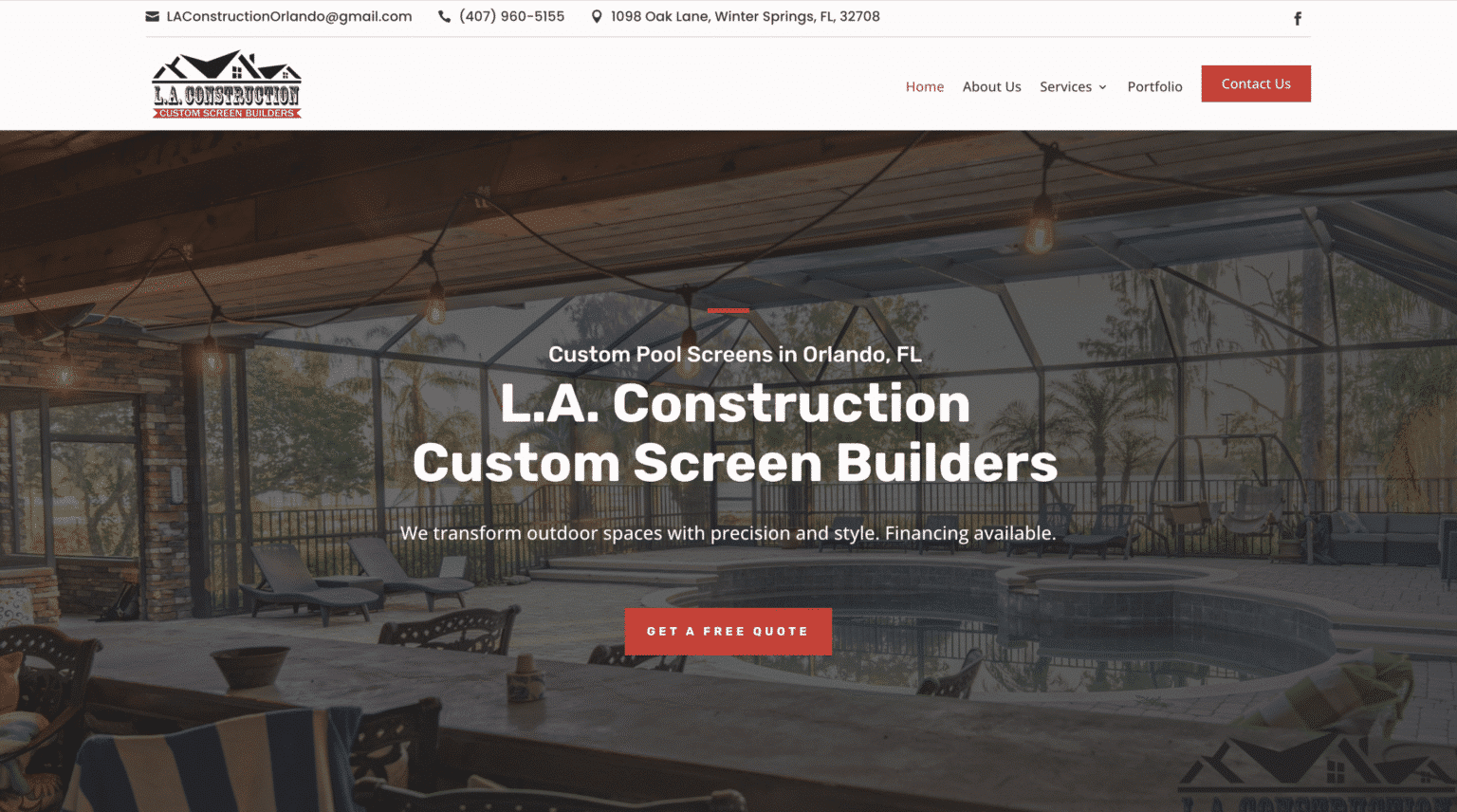
Navigation tells visitors how easy you are to do business with
People judge your business by how hard it is to find what they need. If they cannot locate your services, hours, service area, or contact information in a few seconds, they assume working with you will be just as frustrating.
This is why navigation deserves more attention than it often gets. Many small business sites hide important information under cute labels or sprawling menus. Others overload the homepage with too many competing messages. Both problems create confusion.
A credible local website guides visitors naturally. Someone should be able to land on the homepage and answer the basics almost immediately: what you do, who you serve, where you operate, why they should trust you, and how to contact you. From there, the path should stay simple.
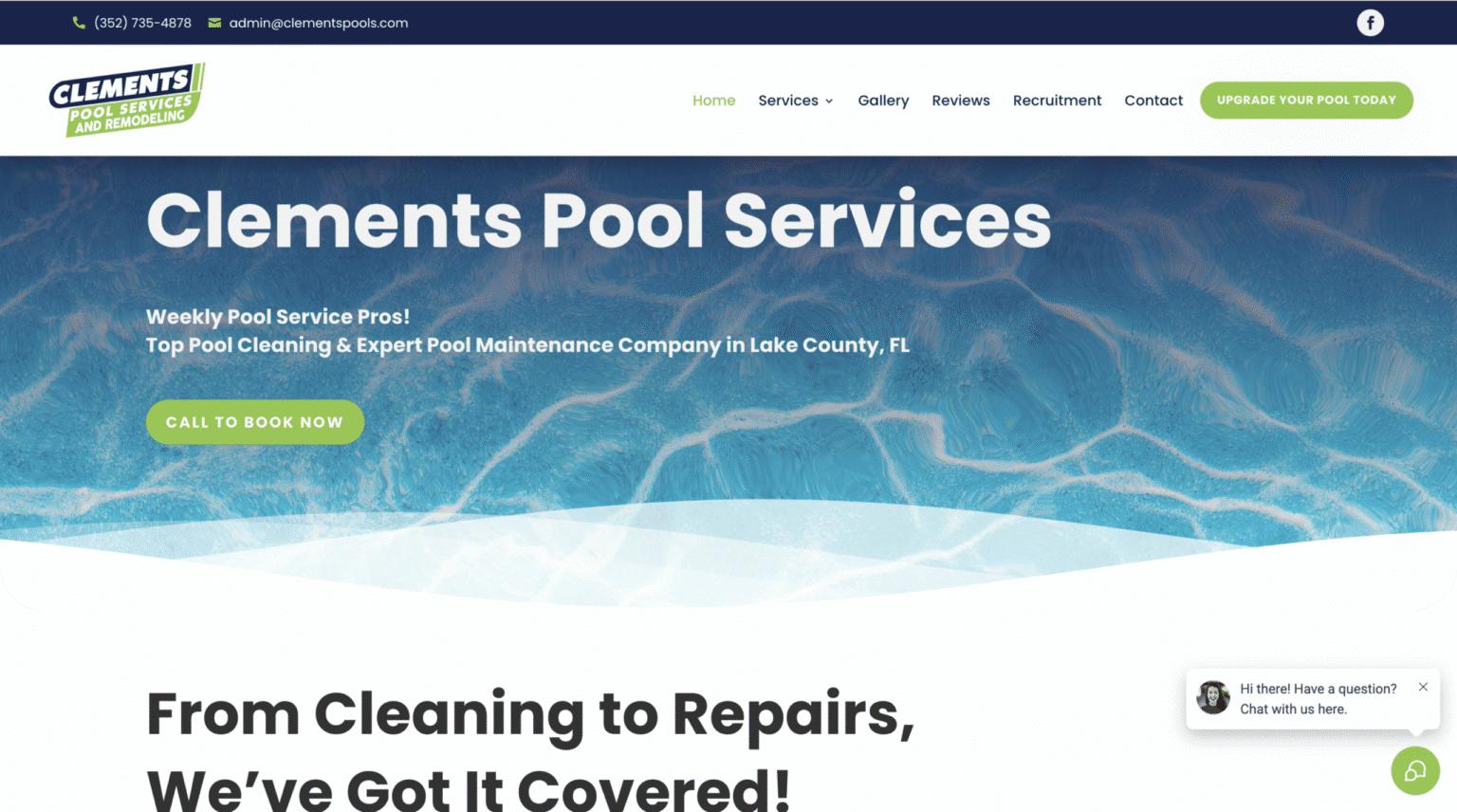
For a home service company, that may mean putting core service categories in the main navigation and keeping estimates one click away. For a medical practice, it may mean making appointment booking, accepted insurance information, and provider details easy to find. For a retailer, it may mean surfacing location details, inventory highlights, and store hours without forcing visitors to hunt.
Good web design often feels invisible because it removes work from the user. That ease becomes part of your reputation.
Reviews matter more when the website supports them
Local businesses know reviews are important, but many treat reviews and website design as separate things. They are not. A review carries more weight when the website around it feels professional and coherent.
Imagine the same five star testimonial placed in two different settings. On one site, the quote appears in a clean layout beside the team member who delivered the service, with easy access to more reviews and a clear call to action. On another, it sits inside a cluttered page with outdated branding and awkward formatting. The words may be identical, yet the first presentation feels more believable.
Design affects context. Context affects trust.
The strongest sites do not simply paste review snippets into a carousel and move on. They integrate social proof thoughtfully. That can include testimonial sections near decision points, links to third party review profiles, local project stories, certifications, community involvement, and even a short note about how long the business has served the area. None of this needs hype. It needs placement and credibility.
Design can either sharpen or blur your local positioning
Many small businesses try to appeal to everyone within driving distance. The result is often a website so broad that it loses distinction. Local credibility grows when people can tell exactly who you are best for.
A design agency handling web design for small business clients, for instance, should not present itself in the same vague way to every audience. If it serves law firms, contractors, wellness brands, and local retailers, it can still organize the site to show understanding of each category. The goal is not to narrow your business artificially. It is to help the right customers recognize themselves.
The same applies to local service pages. A business serving several nearby towns can create useful, well designed pages for each area, but those pages need substance. Thin pages stuffed with town names do little for trust. A better approach includes practical differences, common local concerns, driving range expectations, or examples of work completed nearby. Visitors notice when a page feels like it was written for their area rather than generated in bulk.
That is where regional knowledge strengthens web design. A company focused on web design The Woodlands, for example, can build better credibility for local clients by understanding the market's style preferences, competition level, and customer expectations. Design choices are rarely universal. They work best when they match the people you are trying to serve.
Small signals often decide whether a visitor contacts you
Business owners sometimes focus on major redesigns while overlooking the smaller details that shape trust. In practice, those details can make the difference between a bounce and an inquiry.
An outdated copyright year makes people wonder if the site is maintained. A contact form that fails on mobile feels careless. Missing staff bios can hurt high trust services like legal, medical, or financial work. Inconsistent fonts and colors make a site look pieced together. Low quality logos, stretched images, or walls of text create the impression of neglect.
None of these problems alone will destroy credibility. Together, they create a pattern. Visitors may not diagnose the pattern consciously, but they feel it. Professional design is often the art of removing those little reasons to hesitate.
At the same time, perfection is not required. A small business website does not need enterprise level complexity to perform well. It needs competence, consistency, and care. Customers can tell the difference between a simple site that is thoughtfully built and a cheap site that was thrown together.
The best local websites feel current, not constantly trendy
Many small businesses delay redesigns because they fear being pulled into expensive cycles of trend chasing. That concern is reasonable. Trends move quickly, and not every visual fashion improves performance.
Still, avoiding trends should not mean ignoring freshness. A credible website should feel current enough that visitors trust it is actively managed. In most industries, that means refreshing the design every few years or making steady improvements instead of waiting seven or eight years and starting over.
Current does not mean flashy. It means readable fonts, modern spacing, strong mobile usability, good image quality, secure browsing, and layouts that reflect how people actually navigate websites now. Customers do not compare your web design site only to direct competitors. They compare it to every smooth digital experience they have elsewhere. The bar is set by habits, not just by local rivals.
This is one reason good web design has a compounding effect. When your site is easier to use, customers stay longer, trust faster, and contact you with fewer doubts. That can improve lead quality, strengthen referral conversion, and make your other marketing work harder.
Credibility should show up in the content, not just the layout
A beautiful site with weak copy still loses business. Design and messaging need to reinforce each other.
For local credibility, your words should sound grounded and specific. Explain your services plainly. Mention service areas naturally. Use real project examples where possible. State what customers can expect after they call. If there are constraints, such as appointment lead times, emergency service windows, or minimum project sizes, say so. Transparency often increases trust more than overpromising ever could.
I have watched small businesses gain traction simply by rewriting vague website copy into language customers actually use. Instead of “innovative exterior solutions,” a roofing company said exactly what it handled: storm damage inspections, leak repairs, full roof replacement, and insurance claim support. Instead of “premium wellness experiences,” a spa described its treatments, session lengths, and booking process clearly. The businesses did not become more capable overnight. They became easier to trust.
That is the core of effective website design for small business. It turns competence into clarity.
When redesigning pays off, and when it can wait
Not every business needs a complete overhaul right away. Sometimes targeted updates produce most of the value. If your site already has decent structure, a refresh of imagery, mobile performance, service pages, and calls to action may be enough to improve credibility meaningfully.
A full redesign is usually worth serious consideration when the site no longer reflects the quality of the business, when mobile usability is poor, when lead flow is weak despite healthy demand, or when the business has evolved and the website has not kept up. Rebranding, expansion into new service areas, changes in customer mix, and increased competition are also common triggers.
The key is to treat the website like part of the business, not a one time task you cross off and forget. Credibility is not static. It must be maintained. Hours change, teams grow, photos get dated, and customer expectations keep moving.
That ongoing attention is often what separates businesses that look established from businesses that merely exist online.
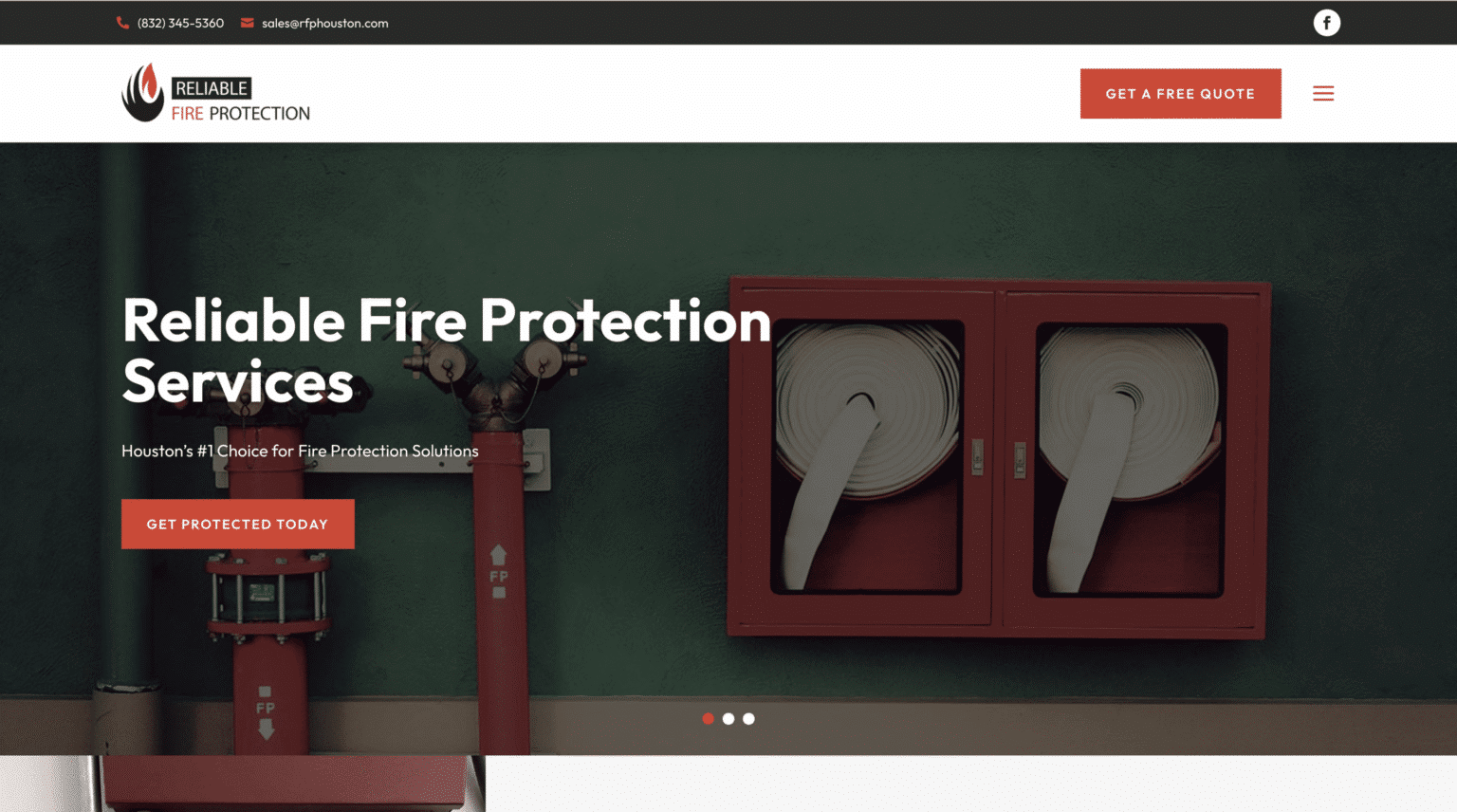
A credible website gives your local reputation somewhere to land
Word of mouth still matters. Repeat customers still matter. Community presence still matters. But all of that goodwill usually leads people back to one place before they act: your website.
If the site confirms what they have heard, your reputation gets stronger. If it creates uncertainty, your momentum stalls.
Strong web design does not replace good service, fair pricing, or reliable operations. It amplifies them. It helps local customers believe you are as professional as you really are. It helps referrals convert faster. It helps strangers feel safer choosing you. And in crowded markets, that trust can be the difference between a steady flow of local business and a constant fight for attention.
For a small business, credibility is not an abstract branding goal. It is a practical asset. Your website should build it every day.
Scalable Websites
Website design for contractors and small businesses
Based in Montgomery, TX, serving Montgomery County and greater Houston
Phone: (832) 979-2478
Website: scalablewebsites.com
Hours: Monday to Friday, 8 AM to 5 PM
Scalable Websites builds and manages mobile-first websites for contractors and small businesses on simple monthly plans, with hosting, security and unlimited updates included. Find us on Google.